

Blog
The Difference Between a Woofer and a Subwoofer: An In-Depth Guide

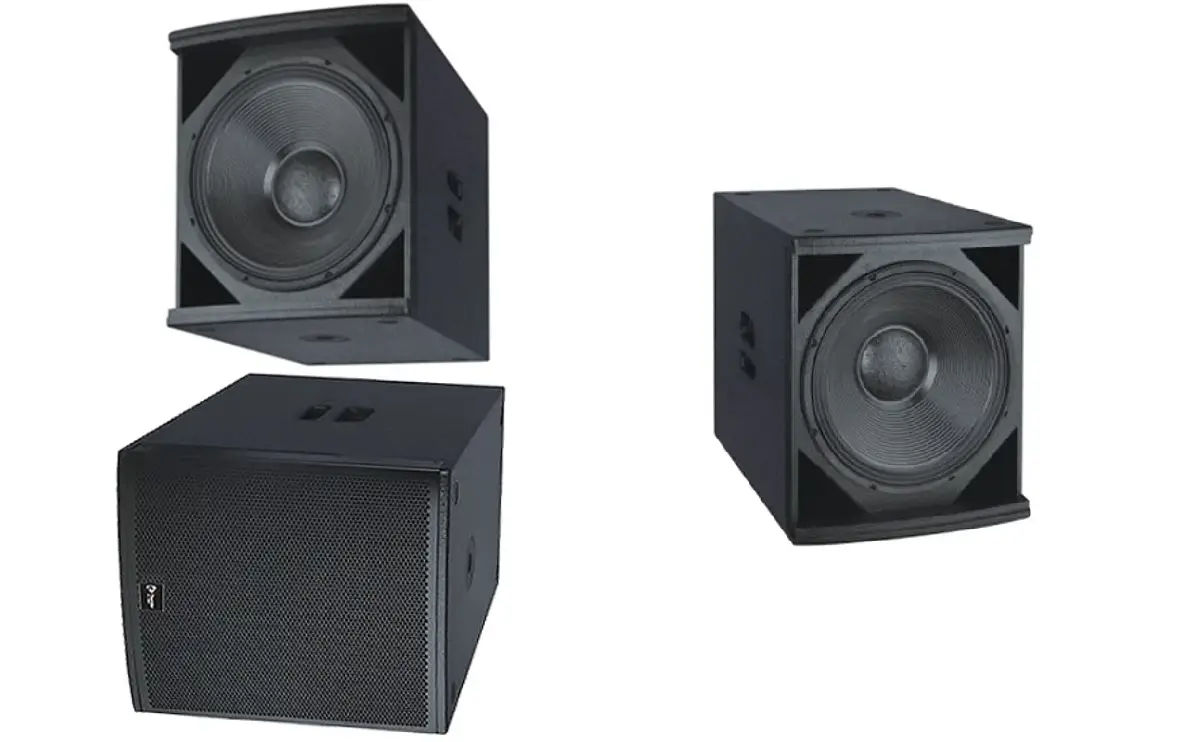
The Difference Between a Woofer and a Subwoofer: An In-Depth Guide
When it comes to audio equipment, especially speakers, two terms that often come up are “woofer” and “subwoofer.” While both are crucial components of sound systems and share similarities in their functionality, they have distinct differences that affect their performance and purpose in delivering sound. In this blog post, we’ll dive deep into understanding these two speaker types, explore their roles, and help you determine when to use each.
I am text block. Click edit button to change this text. Lorem ipsum dolor sit amet, consectetur adipiscing elit. Ut elit tellus, luctus nec ullamcorper mattis, pulvinar dapibus leo.
1. What is a Woofer?
A woofer is a specialized speaker driver designed to reproduce low to mid-range frequencies, typically between 40 Hz to 2,500 Hz. The name “woofer” comes from the low, deep sounds similar to a dog’s “woof,” which these speakers are adept at producing.
Key Features of Woofers:
- Frequency Range: Woofers handle a wide range of low and mid-frequency sounds, such as the bass guitar, drums, and vocals.
- Size: They are usually medium to large in size, ranging from 4 inches to 15 inches in diameter.
- Design: Woofers often have a cone-shaped diaphragm made of materials like paper, plastic, or metal, which vibrates to produce sound waves.
- Use Case: Woofers are commonly found in full-range speakers, floor-standing systems, and home theater setups.
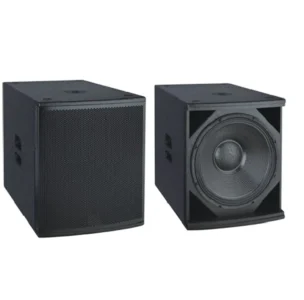
2. What is a Subwoofer?
A subwoofer, on the other hand, is a speaker driver specifically engineered to handle sub-bass frequencies—the lowest end of the audio spectrum, typically ranging from 20 Hz to 200 Hz. These are the frequencies that are more felt than heard, adding depth and power to the sound.
Key Features of Subwoofers:
- Frequency Range: Subwoofers excel at delivering ultra-low frequencies, such as the rumble of an explosion or the deep bass in electronic music.
- Size: Subwoofers are generally larger than woofers, often starting at 8 inches and going up to 18 inches or more.
- Design: They usually come in their own enclosure, which enhances their performance by reducing vibrations and improving sound clarity.
- Use Case: Subwoofers are a staple in home theater systems, car audio systems, and professional sound setups to provide deep, impactful bass.
3. Key Differences Between a Woofer and a Subwoofer
Frequency Range
The most significant difference lies in the range of frequencies they handle:
- Woofers: Operate across a broad spectrum of low and mid frequencies (40 Hz to 2,500 Hz). They can reproduce bass but lack the depth and precision of a subwoofer.
- Subwoofers: Focus solely on sub-bass frequencies (20 Hz to 200 Hz), producing the low-end sound that woofers cannot achieve effectively.
Size and Design
Subwoofers are generally larger than woofers due to their need to move more air for low-frequency sound production. While woofers come in sizes suited for midrange and bass frequencies, subwoofers often require enclosures to enhance performance.
- Woofers: Smaller in size and found as part of larger speaker systems.
- Subwoofers: Larger, independent units with dedicated amplifiers and housing.
Purpose and Application
- Woofers: Versatile drivers used in a wide variety of sound systems. They provide a balance between bass and midrange frequencies, making them essential for a complete audio experience.
- Subwoofers: Serve a niche purpose, enhancing the low-end frequencies and adding depth to the overall sound system.
Power and Amplification
Subwoofers usually require more power than woofers because reproducing low frequencies demands more energy. Many subwoofers come with built-in amplifiers to handle this need.
- Woofers: Depend on the main amplifier of the sound system.
- Subwoofers: Often self-powered, with a dedicated amplifier for optimal performance.
Placement in Sound Systems
Subwoofers are more flexible in placement due to their non-directional sound waves, while woofers need to be strategically positioned for accurate sound dispersion.
- Woofers: Usually fixed within speaker cabinets and require placement for optimal sound staging.
- Subwoofers: Can be placed anywhere in the room, as low frequencies are less affected by placement.

4. When to Use a Woofer and a Subwoofer
Use a Woofer When:
- You need a speaker that handles a broad range of low and midrange frequencies.
- Your audio setup is compact or does not emphasize heavy bass.
- You want balanced sound for general music listening or casual home theater use.
Use a Subwoofer When:
- You want to enhance the low-end frequencies in movies, music, or games.
- You’re setting up a home theater system or professional sound system.
- Deep bass impact is critical to your audio experience.
5. Types of Woofers and Subwoofers
Types of Woofers
- Standard Woofers: Found in multi-way speaker systems.
- Midbass Woofers: Focused on the upper bass and lower midrange frequencies.
- Full-Range Woofers: Cover a wider frequency range but may sacrifice depth in lower bass.
Types of Subwoofers
- Passive Subwoofers: Require an external amplifier to function.
- Active Subwoofers: Come with built-in amplifiers and are easier to integrate into systems.
- Sealed Subwoofers: Enclosed in airtight boxes for precise and tight bass.
- Ported Subwoofers: Feature a vent or port to enhance output, ideal for louder bass.
6. Choosing the Right Speaker for Your Needs
When deciding between a woofer and a subwoofer, consider the following:
- Purpose: Are you building a home theater system or upgrading a music setup?
- Space: Subwoofers are bulkier and may need more room.
- Budget: Woofers are often less expensive and versatile, while subwoofers can be an additional cost.
7. Conclusion
In summary, while woofers and subwoofers share similarities in producing low-frequency sounds, their differences in range, size, design, and purpose set them apart. Woofers provide a balanced output suitable for most audio systems, while subwoofers specialize in delivering the deep, impactful bass that defines immersive sound experiences.
Whether you’re an audiophile, a home theater enthusiast, or a casual listener, understanding the roles of woofers and subwoofers will help you make an informed decision for your audio setup. If you’re aiming for an all-encompassing sound experience, combining both can create the perfect harmony.
What’s your favorite audio setup, and how do you integrate woofers or subwoofers? Let us know in the comments below!
- Audio Preferences: Bass enthusiasts will benefit more from a subwoofer, while casual listeners might find a woofer sufficient.