

Blog
The Ultimate Guide to Church Speakers: Choosing the Right Sound System for Your Worship Space

The Ultimate Guide to Church Speakers: Choosing the Right Sound System for Your Worship Space
The Ultimate Guide to Church Speakers
Worship spaces hold a unique role in bringing communities together for spiritual connection, reflection, and celebration. Central to this experience is clear, impactful audio delivery, making the church sound system a cornerstone of worship services. Selecting the right speakers for your church involves understanding the acoustics of the space, the needs of your congregation, and the demands of your services. This guide explores every aspect of church speakers, ensuring your sound system delivers an inspiring auditory experience.
1. Why Church Audio Matters
Enhancing Worship
Audio quality impacts the emotional and spiritual atmosphere of a church. Clear vocals and immersive music can inspire congregants, while poor sound can create distractions.
Reaching Every Seat
Whether your church is a small chapel or a sprawling cathedral, the sound system should ensure every attendee hears the message clearly. Proper speaker placement and system design ensure uniform sound coverage.
2. Understanding Church Acoustics
Reverberation and Echo
Churches often feature high ceilings, hard surfaces, and large open spaces, creating challenges like excessive reverberation and echo. Addressing these acoustics is critical for effective audio delivery.
Sound Absorption Materials
Incorporating sound-absorbing materials like acoustic panels, carpets, and drapes can help control reverberation, ensuring clarity in spoken words and music.
3. Types of Church Speakers
A. Full-Range Speakers
Full-range speakers deliver a balanced audio spectrum, suitable for both speech and music. These are common in churches as standalone units or parts of a larger system.
B. Line Array Speakers
Ideal for larger venues, line arrays consist of multiple speaker units stacked vertically. They provide consistent sound coverage over long distances, minimizing drop-offs.
C. Subwoofers
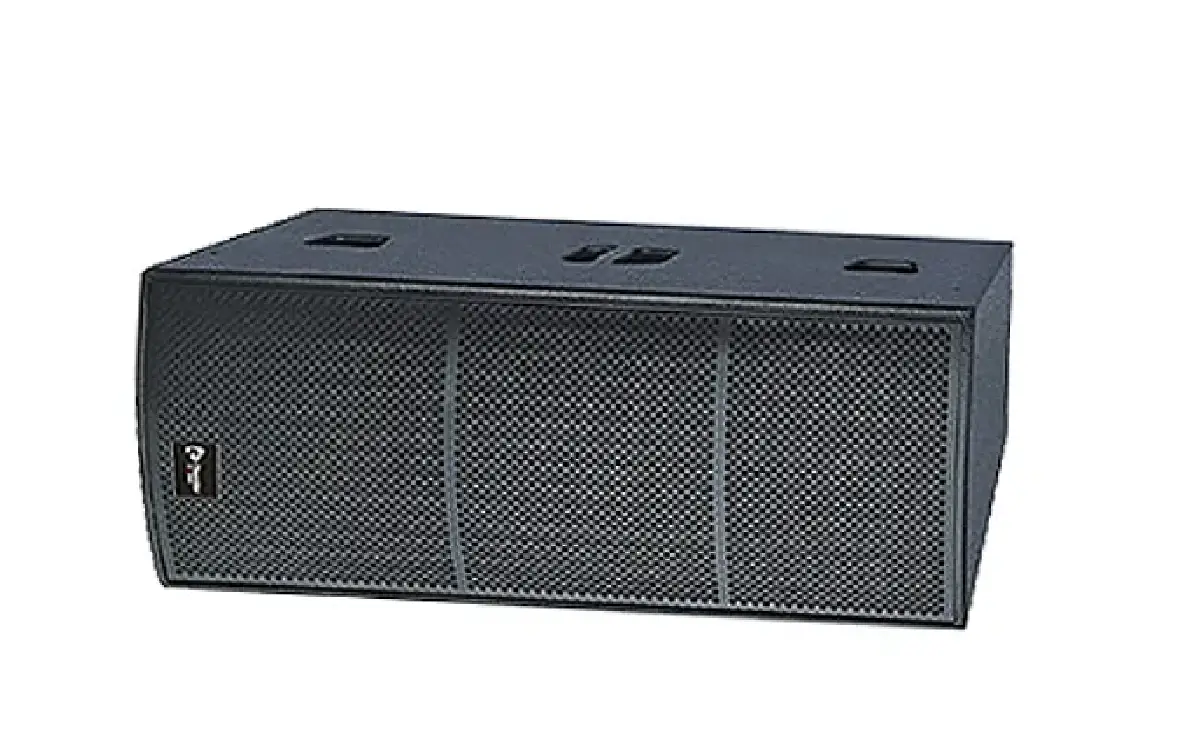
Subwoofers handle low-frequency sounds, enriching bass tones during musical performances. They are often paired with full-range systems for a complete audio experience.
D. Column Speakers
Column speakers are tall and slim, offering focused sound projection. Their design minimizes reflection, making them ideal for reverberant spaces.
E. Monitor Speakers
Monitor speakers are positioned on stage for performers to hear themselves. They are essential for live music and choir performances.
4. Key Features to Consider
A. Power and Wattage
The power rating determines how loud a speaker can get. Churches with larger congregations or outdoor events require higher wattage systems to ensure adequate volume.
B. Frequency Response
Frequency response defines the range of sounds a speaker can reproduce. A wide frequency range ensures accurate delivery of both speech and music.
C. Coverage Angle
The dispersion angle indicates how sound spreads from a speaker. For wide congregations, opt for speakers with broader coverage.
D. Durability
Church sound systems often operate for extended periods. Investing in durable, reliable equipment reduces maintenance costs and downtime.
E. Wireless and Smart Features
Modern sound systems offer Bluetooth connectivity and smart controls, allowing easy adjustments and integration with other devices.

5. Determining Your Church’s Audio Needs
A. Size of the Venue
The size of your worship space significantly impacts speaker selection. Large venues require multiple speaker units, while smaller spaces may only need a single or dual-speaker setup.
B. Type of Services
- Traditional Services: Focused on spoken word and choral music, requiring clear vocal reproduction.
- Contemporary Services: Often feature live bands and multimedia presentations, demanding dynamic and robust systems.
C. Audience Size
Larger congregations necessitate systems with higher output to reach the back rows effectively without overwhelming those in the front.
D. Portability
For churches with flexible worship setups or outdoor services, portable speakers with battery options are a practical choice.
6. Popular Brands and Models
A. JBL Professional
JBL is renowned for its high-quality sound systems, offering versatile models suitable for churches of all sizes.
B. Yamaha
Known for reliability and performance, Yamaha provides speakers with excellent sound clarity and durability.
C. Bose Professional
Bose offers sleek designs and advanced technology, ideal for modern worship spaces emphasizing aesthetics and audio quality.
D. QSC
QSC specializes in high-output speakers, perfect for larger congregations or venues hosting live music performances.
E. Electro-Voice
Electro-Voice combines precision engineering and affordability, making it a popular choice for churches with budget constraints.
7. Designing Your Church Sound System
A. Speaker Placement
Strategic placement ensures even sound distribution. Consider:
- Main Speakers: Positioned at the front, focusing on the congregation.
- Fill Speakers: Address sound gaps in large or irregularly shaped spaces.
- Stage Monitors: Provide feedback to musicians and speakers.
B. Audio Mixing Consoles
A mixer allows sound technicians to balance inputs like microphones, instruments, and pre-recorded tracks.
C. Amplifiers
An amplifier boosts the audio signal, ensuring speakers operate at their full potential.
D. Wireless Microphones
Wireless systems offer flexibility and minimize clutter, essential for dynamic services.
8. Budgeting for Church Speakers
A. Setting a Budget
Determine your budget early, accounting for not just speakers but auxiliary equipment like mixers, cables, and installation.
B. Balancing Quality and Cost
While high-end systems offer advanced features, mid-range options often suffice for smaller churches. Invest in scalable systems to accommodate future growth.
C. Installation Costs
Professional installation ensures optimal system performance and may include calibration to suit your space’s acoustics.

9. Common Challenges and Solutions
A. Feedback Issues
Feedback occurs when microphone signals loop back into the system. To minimize it:
- Use directional microphones.
- Adjust microphone and speaker positions.
- Employ a feedback suppressor.
B. Uneven Sound Coverage
Solution: Use fill speakers and line arrays to address gaps in coverage.
C. System Overload
Prevent distortion by using equipment with adequate power handling capacity.
10. Maintenance and Upkeep
A. Regular Inspections
Check connections, cables, and speaker functionality to identify issues early.
B. Cleaning
Dust and debris can affect speaker performance. Regular cleaning prolongs lifespan.
C. Professional Servicing
Schedule periodic professional maintenance to ensure system reliability.
11. Case Studies: Success Stories
A. Small Church
A 150-member church opted for a pair of column speakers and a compact mixer, achieving clarity without overwhelming their budget.
B. Large Cathedral
A cathedral with 2,000 seats installed a line array system with fill speakers, ensuring even sound distribution across its vast space.
C. Multi-Purpose Hall
A contemporary church with a gymnasium-style worship area used portable full-range speakers to adapt to varying event needs.
12. Emerging Trends in Church Audio
A. Digital Signal Processing (DSP)
DSP enhances audio clarity by optimizing sound based on the room’s acoustics.
B. Integration with Streaming
Modern systems support live streaming, ensuring remote attendees experience high-quality audio.
C. AI-Assisted Sound Management
Artificial intelligence simplifies sound management, automatically adjusting settings for optimal performance.
13. Partnering with Experts
A. Audio Consultants
Hiring a professional audio consultant ensures your system meets both technical and spiritual needs.
B. Installation Teams
Experienced installation teams handle setup, calibration, and testing, guaranteeing seamless operation.
14. The Future of Worship Sound
Advancements in audio technology continue to enhance worship experiences. From immersive 3D sound systems to personalized audio for individual attendees, the future promises exciting possibilities for churches seeking to elevate their services.
15. Final Thoughts
Choosing the right sound system for your church is an investment in your congregation’s spiritual experience. By understanding your space, audience, and service needs, you can create an audio environment that uplifts, inspires, and connects. With the right planning and equipment, every word spoken and note played will resonate deeply, ensuring your message reaches every heart.