

Blog
Passive Speakers vs. Active Speakers: A Comprehensive Guide

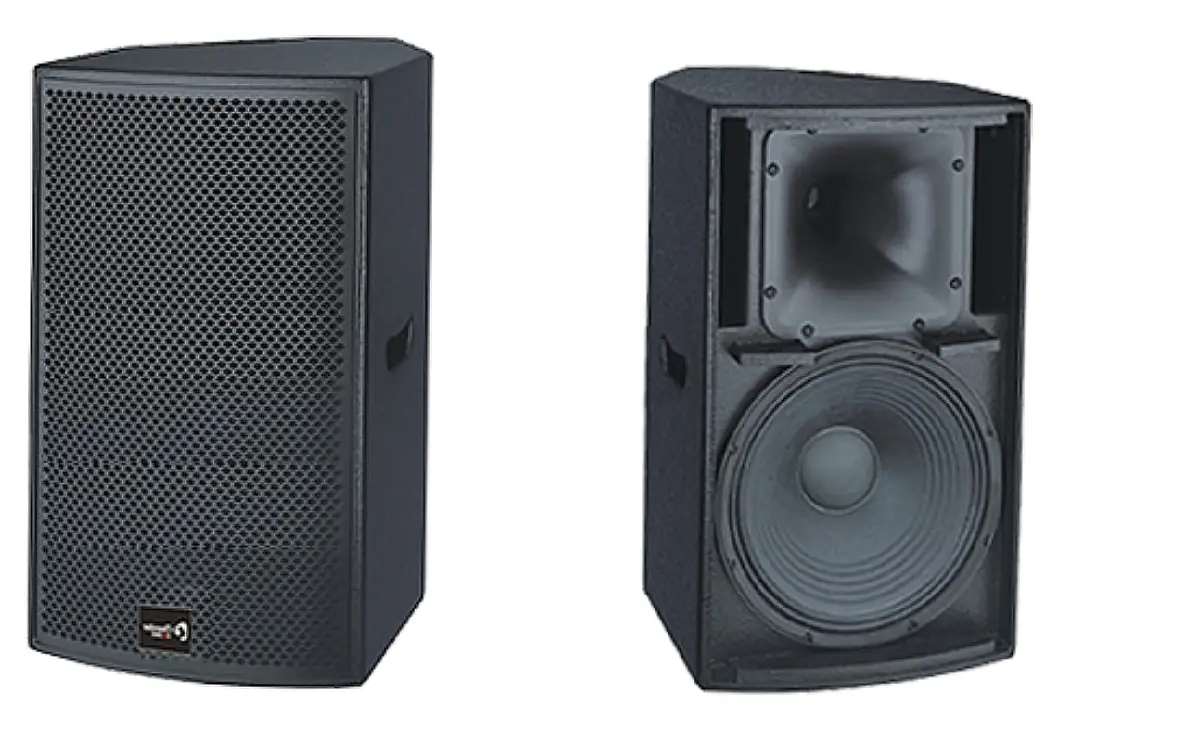
Passive Speakers vs Active Speakers
Choosing the right type of speaker can make or break your audio setup, whether for home use, professional events, or a worship space. Two main types of speakers dominate the market: passive speakers and active speakers. While they serve the same purpose—delivering sound—these two options differ significantly in their design, functionality, and use cases.
In this guide, we’ll delve into the key differences between passive and active speakers, their pros and cons, and help you decide which is better for your specific needs.
What Are Passive Speakers?
Definition
Passive speakers are traditional loudspeakers that require an external amplifier to function. They do not have built-in amplification, which means they rely on an external source to drive the sound signal.
How They Work
- A signal (from a mixer, player, or microphone) is sent to an external amplifier.
- The amplifier boosts the signal and sends it to the passive speakers via speaker cables.
- The speakers convert the electrical signal into sound waves.
Components
- Drivers: Produce sound (e.g., tweeters for high frequencies, woofers for low frequencies).
- Crossover: Directs specific frequencies to the appropriate driver (e.g., highs to tweeters, lows to woofers).
Use Cases
- Churches
- Live concerts
- Home theater systems
- Permanent installations

What Are Active Speakers?
Definition
Active speakers, also known as powered speakers, come with built-in amplifiers. They are self-contained units that require only an audio source and a power connection to function.
How They Work
- A signal is sent directly to the active speaker.
- The built-in amplifier boosts the signal.
- The speaker produces sound.
Components
- Built-in Amplifier: Each speaker driver has its own dedicated amplifier.
- Crossover: Often digital, allowing for precise frequency distribution.
Use Cases
- Mobile DJs
- Small to medium-sized events
- Personal audio systems
- Portable PA systems
Key Differences Between Passive and Active Speakers
1. Amplification
- Passive Speakers: Require an external amplifier, adding complexity to the setup.
- Active Speakers: Feature a built-in amplifier, making them a plug-and-play solution.
2. Portability
- Passive Speakers: Require multiple components (amplifier, cables), making them less portable.
- Active Speakers: Self-contained and easier to transport, ideal for mobile setups.
3. Setup Complexity
- Passive Speakers: Need careful matching of speaker and amplifier power ratings and impedance.
- Active Speakers: Simplified setup as the amplifier is already matched to the drivers.
4. Sound Quality
- Passive Speakers: Offer flexibility to choose high-end amplifiers for superior sound.
- Active Speakers: Deliver optimized sound quality due to dedicated built-in amplification.
5. Cost
- Passive Speakers: Initially more affordable but require additional investment in amplifiers and cabling.
- Active Speakers: Higher upfront cost but no need for separate amplifiers.
6. Maintenance
- Passive Speakers: Easier to repair as components (amplifiers, cables) are separate.
- Active Speakers: If the built-in amplifier fails, the entire unit may require servicing.

Pros and Cons of Passive Speakers
Pros
- Scalability: Easy to expand a system by adding more speakers or upgrading amplifiers.
- Customization: Freedom to pair speakers with amplifiers to achieve desired sound.
- Durability: No built-in electronics, making them less prone to overheating or technical failures.
- Cost-Effective: Typically cheaper upfront, especially for large installations.
Cons
- Complex Setup: Requires matching amplifier power and impedance.
- Portability Issues: Additional components like amplifiers and cables increase bulk.
- Less Efficient: Longer cable runs can result in power loss.
Pros and Cons of Active Speakers
Pros
- Ease of Use: Built-in amplification makes them beginner-friendly.
- Compact Design: No need for external amplifiers, reducing clutter.
- Optimized Performance: Each driver has a dedicated amplifier for balanced sound.
- Portability: Ideal for mobile applications like live gigs or DJ setups.
Cons
- Higher Cost: More expensive than passive speakers due to built-in amplifiers.
- Repair Challenges: Built-in components are harder to replace or repair.
- Weight: Built-in amplifiers add extra weight to the speaker units.
Applications of Passive and Active Speakers
1. Churches and Houses of Worship
- Passive Speakers: Preferred for large, permanent installations where scalability and flexibility are essential.
- Active Speakers: Useful for smaller worship spaces or portable outdoor services.
2. Concerts and Live Events
- Passive Speakers: Ideal for large venues where separate amplifiers can power multiple speakers.
- Active Speakers: Great for smaller events with quick setup requirements.
3. Home Audio Systems
- Passive Speakers: Provide flexibility to pair with high-end amplifiers for superior sound.
- Active Speakers: Convenient for simple setups like desktop audio or small home theaters.
4. Mobile DJs and Bands
- Passive Speakers: Rarely used due to the bulk of external components.
- Active Speakers: Preferred for portability and ease of setup.

Cost Comparison
Initial Investment
- Passive Speakers: Typically lower cost but require additional spending on amplifiers, cables, and installation.
- Active Speakers: Higher upfront cost, but fewer additional components are needed.
Long-Term Costs
- Passive Speakers: Potentially lower as amplifiers and speakers can be repaired or upgraded independently.
- Active Speakers: Higher due to the potential for complete unit replacement if internal components fail.
Sound Quality: The Battle of Fidelity
Passive Speakers
- Offer unmatched flexibility to pair with high-quality amplifiers, resulting in superior sound in high-end systems.
- External crossovers and amplifiers allow for greater customization and fine-tuning.
Active Speakers
- Designed for efficiency and ease of use, delivering optimized sound without requiring technical adjustments.
- Built-in amplifiers ensure consistent performance but lack the customization potential of passive systems.
Choosing Between Passive and Active Speakers
When to Choose Passive Speakers
- Large Installations: If you’re setting up a church, auditorium, or stadium, passive speakers offer scalability and flexibility.
- Customization Needs: Ideal if you want to fine-tune your audio with separate amplifiers and processors.
- Budget-Friendly Upgrades: Start with a basic system and upgrade components over time.
When to Choose Active Speakers
- Portability: Perfect for mobile setups like DJs, live bands, or temporary outdoor events.
- Ease of Use: Great for those who prefer plug-and-play systems without technical complications.
- Space-Saving: Ideal for compact setups like small venues or personal audio systems.
Hybrid Systems: The Best of Both Worlds
Some setups combine passive and active components. For instance:
- Use active speakers for the main front-of-house (FOH) system.
- Employ passive speakers for fills, monitors, or extensions.
This hybrid approach offers flexibility while maintaining simplicity.
Conclusion: Passive vs. Active Speakers – Which Is Right for You?
The choice between passive and active speakers boils down to your specific needs, budget, and technical expertise. Passive speakers excel in large, permanent installations where flexibility and scalability are key. Active speakers shine in portable and user-friendly applications, offering simplicity and convenience.
Whether you’re setting up a church sound system, hosting live events, or upgrading your home audio, understanding the strengths and limitations of each type will ensure you choose the perfect speaker for your needs.